Wondering how to make your Augusta Road home stand out before it hits the market? In a well-established Greenville corridor like Augusta Road, buyers often notice more than square footage alone. They are paying attention to condition, presentation, and whether a home feels thoughtfully cared for. If you are getting ready to sell, a smart prep plan can help you showcase your home’s strengths, avoid preventable issues, and step into the market with confidence. Let’s dive in.
Why presentation matters on Augusta Road
Augusta Road is one of Greenville’s long-established close-in corridors, with a mix of homes, neighborhood businesses, and community institutions. Local history and planning documents describe it as a tree-lined area with a strong residential identity and an important gateway into Greenville.
That matters when you are preparing to sell. Buyers here are often responding to the full picture, including how your home fits the area’s established character and how well it has been maintained over time. A polished, well-prepared home tends to feel more aligned with what buyers expect in a location like Augusta Road.
Start with curb appeal
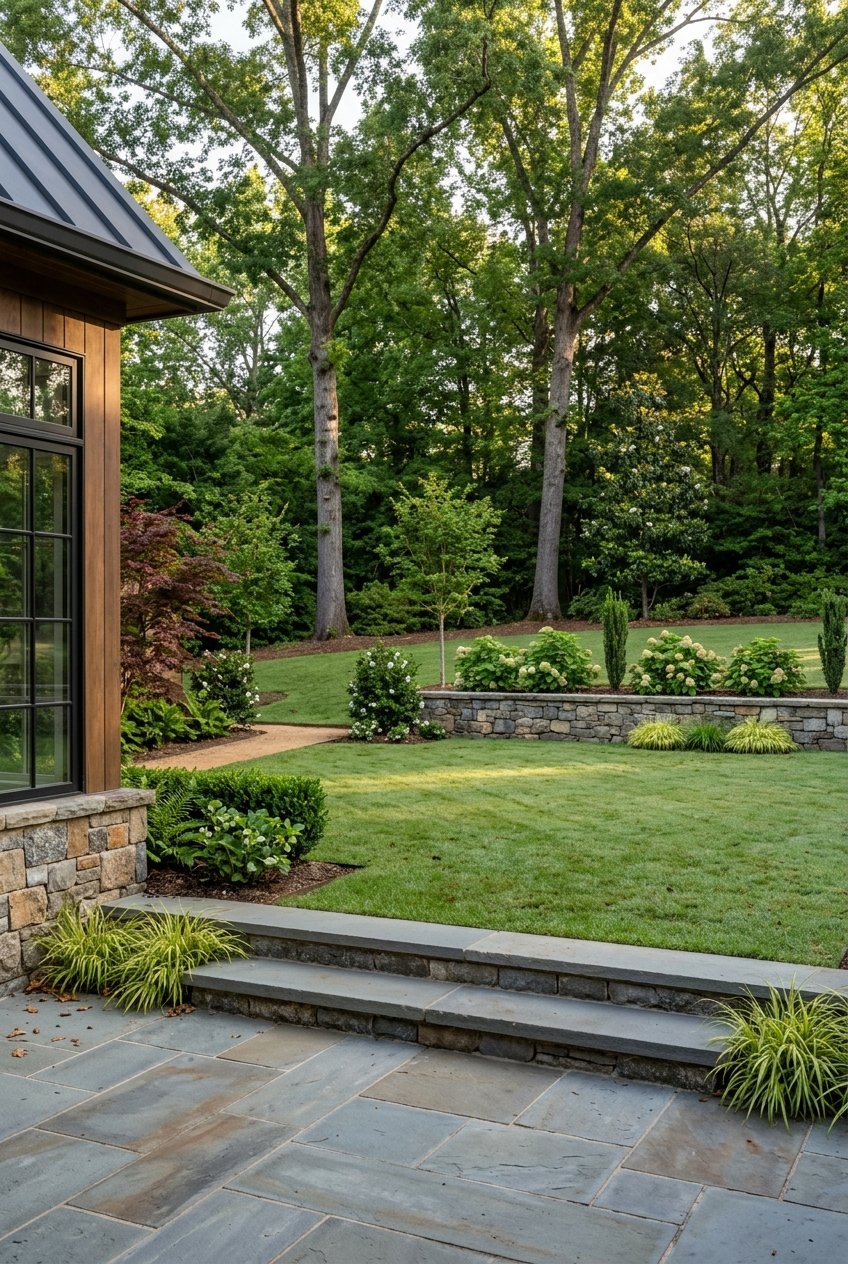
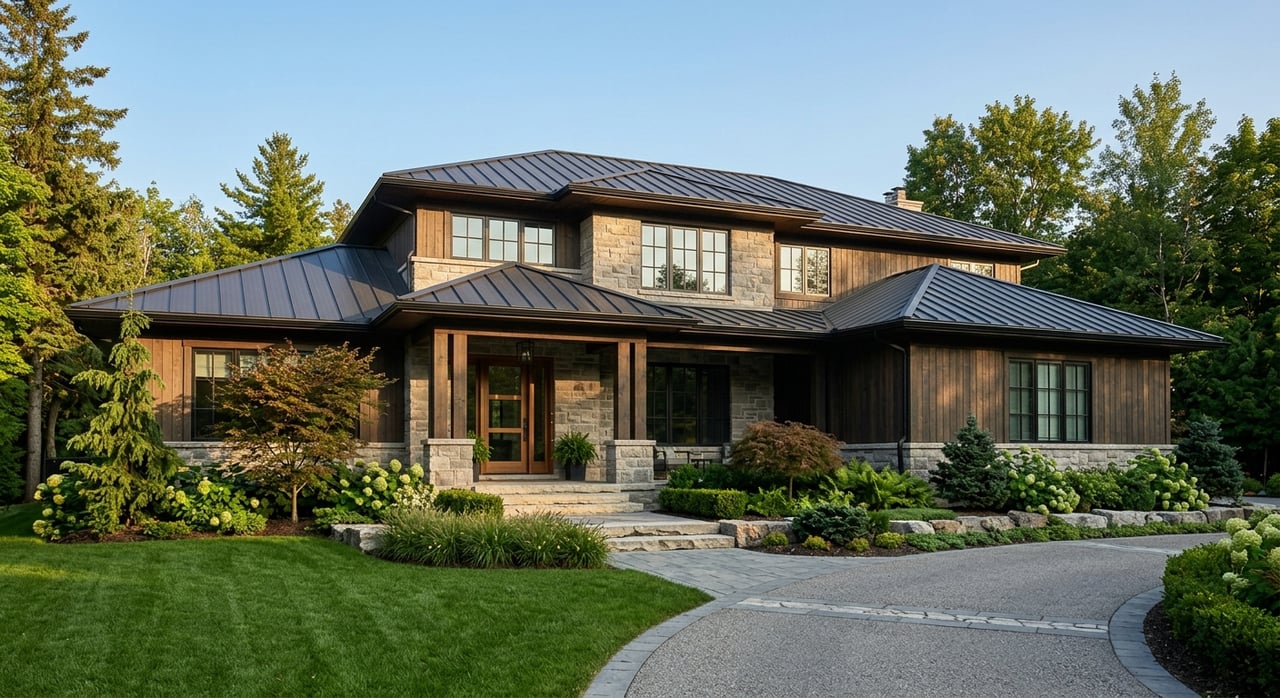
First impressions begin before a buyer opens the front door. The approach to your home, the front entry, and the overall exterior condition all help shape how buyers feel as soon as they arrive.
National Association of REALTORS® data shows that 92% of REALTORS® recommend improving curb appeal before listing. Their outdoor project data also found strong value recovery from basic lawn care and landscape maintenance.
For an Augusta Road home, that usually means focusing on visible basics like:
- A tidy lawn and edged beds
- Fresh mulch where needed
- Trimmed shrubs and low branches
- A swept front walk and porch
- Clean exterior light fixtures
- A welcoming, well-kept front door
You do not always need a major landscape overhaul. In many cases, clean lines, healthy plantings, and a cared-for entry make the biggest difference.
Focus on the front door and entry
If you are deciding where to spend money, the entry deserves special attention. Buyers tend to remember the front door area because it sets the tone for the rest of the showing.
NAR’s 2025 Remodeling Impact Report found that a new steel front door had the strongest cost recovery in the study at 100%, while a new fiberglass front door also performed well at 80%. If your existing door is still in good shape, a fresh coat of paint, updated hardware, and better lighting may be enough to sharpen the look.
This is also a smart place to check for small defects. Loose house numbers, a worn doormat, chipped trim, or a sticking storm door can subtly signal deferred maintenance. Simple fixes help create a stronger first impression.
Declutter before you decorate
One of the most effective pre-listing steps is also one of the simplest. Remove excess furniture, personal items, and anything that makes rooms feel crowded or distracting.
Even when sellers do not fully stage their homes, many agents still recommend decluttering and correcting visible faults. Buyers want to move through a home easily and understand the space without visual noise competing for attention.
As you declutter, aim to:
- Clear countertops and vanity surfaces
- Thin out packed closets and storage areas
- Remove oversized or extra furniture
- Pack away highly personal photos and collections
- Organize mudrooms, laundry rooms, and pantries
The goal is not to strip all personality from the home. It is to help buyers focus on the room itself, the light, and the flow.
Stage the rooms buyers notice most
Staging can help buyers picture how a home lives. According to NAR’s 2025 Profile of Home Staging, 29% of sellers’ agents said staging led to a 1% to 10% increase in offered price, and 49% said it reduced time on market.
The most commonly staged spaces were the living room, primary bedroom, dining room, and kitchen. If you are not staging every room, these areas are often the best places to start.
Living room
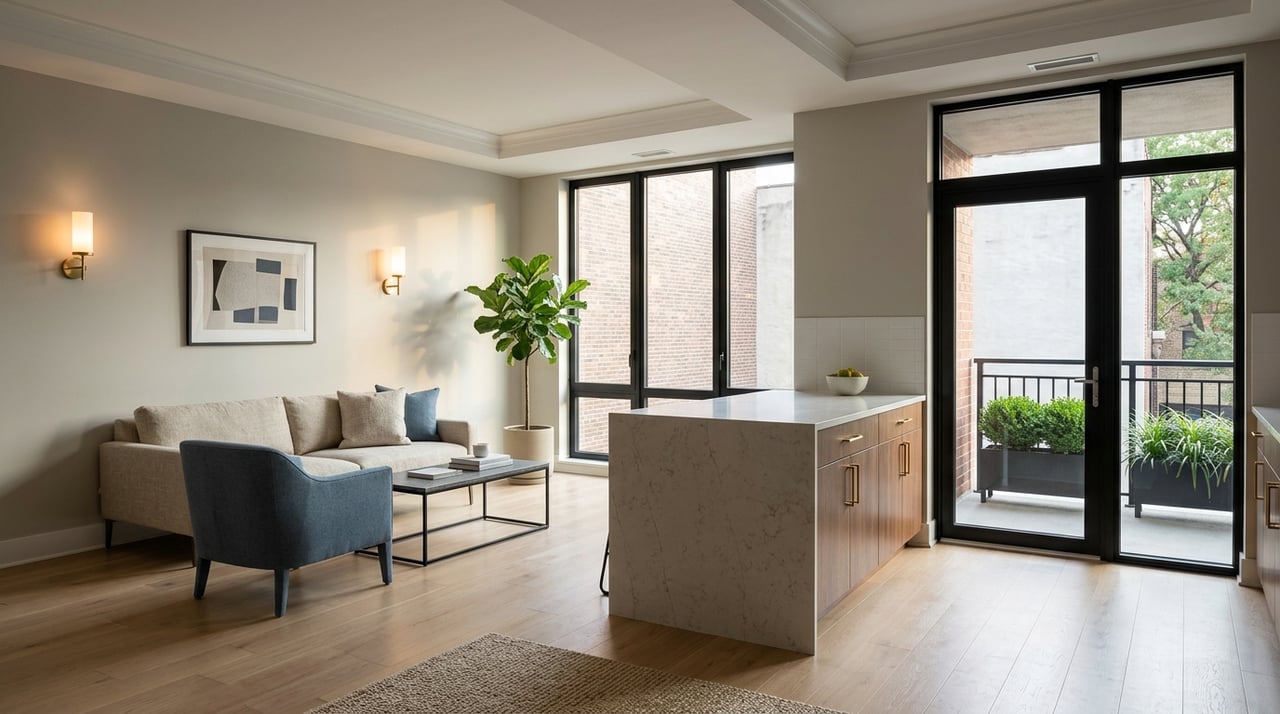
Your living room should feel open, comfortable, and easy to understand. Edit extra seating, remove bulky pieces if needed, and create a clean focal point around windows, a fireplace, or the main conversation area.
Kitchen
The kitchen should read as clean and functional. Clear off small appliances, reduce countertop clutter, and make sure lighting is bright and even. Fresh towels, simple greenery, and spotless surfaces usually go farther than decorative trends.
Primary bedroom
Buyers respond well to a calm, restful bedroom. Neutral bedding, clear nightstands, and a simple furniture layout can make the room feel larger and more inviting.
Dining room
A dining room should help buyers imagine gathering and everyday use. Keep the table styling minimal and make sure traffic flow around the room feels easy.
Refresh, do not over-personalize
Before listing, visible and practical updates usually make more sense than highly customized remodels. NAR’s 2025 Remodeling Impact Report found strong cost recovery for projects like closet renovation, front-door replacement, and painting-related improvements, while REALTORS® commonly recommended painting the entire home, painting a single room, and installing a new roof before listing.
In Augusta Road, this measured approach is especially helpful. Greenville County’s historic preservation standards say historic properties should retain their historic character, and review considers the exterior form and appearance of proposed changes.
In plain terms, the safest update strategy is usually to freshen and polish what is already there rather than remove character-defining details. Think clean paint, repaired trim, updated lighting, refreshed flooring, and repairs to visible wear instead of dramatic design choices driven by personal taste.
Fix visible defects before buyers find them
Buyers tend to notice small problems quickly. A dripping faucet, cracked caulk, loose handrail, torn screen, or missing outlet cover can raise questions about what else has been overlooked.
That is why pre-listing preparation should include a clear-eyed walk-through of your home. Look for signs of wear that are easy to see during a showing and tackle those items early.
A solid repair checklist may include:
- Touch-up paint on scuffed walls and trim
- Replacing burned-out bulbs
- Repairing leaky fixtures
- Tightening loose hardware
- Refreshing caulk in baths and kitchens
- Cleaning windows and screens
- Servicing doors that stick or squeak
These may seem minor on their own, but together they help your home feel move-in ready.
Be careful with older and historic homes
Many Augusta Road homes have age, charm, and architectural details that buyers value. If your home is older or in a historically sensitive area, your prep plan should include more than cosmetics.
Greenville County says a Certificate of Appropriateness is required before a building permit can be issued for demolition, new construction, exterior alteration, modification, or addition to a designated historic property. The City of Greenville also requires a Historic Review Board Certificate of Appropriateness for exterior alterations in a designated historic district.
Ordinary exterior maintenance or repair that does not change the design, material, or defining characteristics is generally allowed under county rules. Still, if you are considering exterior work beyond basic touchups, it is wise to verify whether review is required before you start.
Check permits before larger projects
If you are thinking about doing more than cosmetic prep, pause and check local requirements first. Greenville County building safety rules require permits for work that constructs, enlarges, alters, repairs, moves, demolishes, or changes occupancy, as well as for many electrical, gas, mechanical, and plumbing projects.
That means pre-listing work like system changes, major repairs, or exterior alterations may need approvals. Verifying permit status early can help you avoid delays, added stress, or last-minute questions once your home is on the market.
Know your lead-paint obligations
If your home was built before 1978, lead-based paint rules may apply. EPA says sellers of most pre-1978 housing must disclose known lead-based paint information, provide available records and reports, include a Lead Warning Statement, give buyers the EPA pamphlet, and allow a 10-day opportunity for testing.
EPA also says that paid renovation, repair, and painting work that disturbs lead-based paint in pre-1978 homes must be performed by certified firms using lead-safe work practices. If your prep plan includes sanding, scraping, or other disturbance of old painted surfaces, this is an important item to address before work begins.
A practical Augusta Road prep plan
If you want a simple way to think about it, most sellers do not need to do everything. They need to do the right things in the right order.
A strong plan often looks like this:
- Declutter and depersonalize
- Deep clean the entire home
- Refresh curb appeal and the front entry
- Repair visible defects
- Focus staging on main living spaces, the kitchen, dining room, and primary bedroom
- Check permit and historic-review requirements before starting bigger projects
That approach fits both the local character of Augusta Road and the realities of what buyers notice most.
Why local guidance helps
Preparing a home for sale is part design, part strategy, and part project management. It helps to have someone who understands what buyers expect in Augusta Road and can help you decide what is worth doing and what is not.
Ashley Swann’s approach is built around local expertise, polished presentation, and hands-on coordination. From prioritizing pre-listing updates to helping coordinate trusted vendors and shaping a marketing plan that highlights your home’s strengths, that kind of guidance can make the process feel more manageable and more effective.
If you are thinking about selling on Augusta Road, the right prep plan can help your home look its best without wasting time or money. To talk through your next steps, connect with Ashley Swann.
FAQs
What should sellers prioritize before listing an Augusta Road home?
- Start with decluttering, deep cleaning, curb appeal, and repairs to visible defects. Then focus on the front entry and the main rooms buyers notice most, including the living room, kitchen, dining room, and primary bedroom.
Do Augusta Road sellers need to stage every room before listing?
- No. Staging is often most useful in the living room, primary bedroom, dining room, and kitchen. If you are not staging every room, those are typically the best places to focus.
Should sellers renovate before listing a home in Augusta Road?
- Usually, modest and visible updates make more sense than highly personalized remodels. Fresh paint, front-door improvements, lighting updates, flooring refreshes, landscaping, and repairs to wear often offer a more practical return.
Do historic homes in Greenville require approval for exterior changes?
- In designated historic properties or districts, exterior alterations may require a Certificate of Appropriateness before permits can be issued. Ordinary maintenance and repair that do not change design or defining features are generally treated differently, but it is smart to verify local requirements before starting work.
Do pre-1978 Augusta Road homes have lead-paint disclosure rules?
- Yes. Sellers of most pre-1978 homes must disclose known lead-based paint information, provide available records and reports, include a Lead Warning Statement, give buyers the required EPA pamphlet, and allow a 10-day opportunity for testing.