Choosing between a condo and a townhome in Downtown Greenville can feel simple at first, until you realize those labels do not always tell you who maintains the roof, what your monthly costs will look like, or how much control you will actually have over the property. If you love the idea of walkable city living near Main Street, Falls Park, and the Swamp Rabbit Trail, you want to make the right call for your lifestyle and budget. This guide will help you compare the real differences, ask smarter questions, and decide which option fits the way you want to live. Let’s dive in.
Why Downtown Greenville Fits Both
Downtown Greenville works well for both condo buyers and townhome buyers because the area supports a true urban lifestyle. Main Street is known for wide, tree-lined sidewalks, street-front cafés, public art, and easy access to destinations like Falls Park on the Reedy, the West End, the Peace Center, and Heritage Green.
You also get year-round energy that shapes daily life downtown. The area regularly hosts events such as Artisphere, euphoria, and the TD Saturday Market, which adds convenience and activity if you enjoy being near the center of it all.
At the same time, downtown is practical for everyday living. There are more than 800 free on-street parking spots, 14 public parking facilities, and city garages that offer the first hour free, plus free downtown trolleys on fixed-stop routes and seasonal game-day service.
That means your decision is usually not about whether downtown works. It is more about which type of home matches your routine, maintenance preferences, parking needs, and comfort with association rules.
Condo vs Townhome Basics
Before you compare listings, it helps to know that condo and townhome do not mean the same thing. In South Carolina, a condominium is a legal ownership structure called a horizontal property regime, where you own your individual unit and share ownership of common elements such as land, foundations, walls, roofs, halls, stairways, elevators, and other shared systems.
A townhome, by contrast, is usually a building type rather than a legal ownership type. The Census Bureau treats a townhouse as an attached single-family housing structure, which is why townhomes often feel more like a house even when they are close together.
Here is the key point: the marketing label does not tell you everything. Some townhomes are fee-simple properties in a subdivision, while others are part of a condo-style regime, so the recorded declaration, master deed, plat, and bylaws matter more than the name in the listing.
What That Means for You
If you are trying to decide between a condo and a townhome in Downtown Greenville, focus less on the label and more on the actual responsibilities tied to ownership. The documents should clarify who maintains the exterior, roof, yard, parking areas, and common spaces.
This matters because two properties that look similar on the outside can come with very different obligations. One may offer a nearly maintenance-light setup, while the other may leave you with more direct responsibility than you expected.
When a Condo Makes Sense
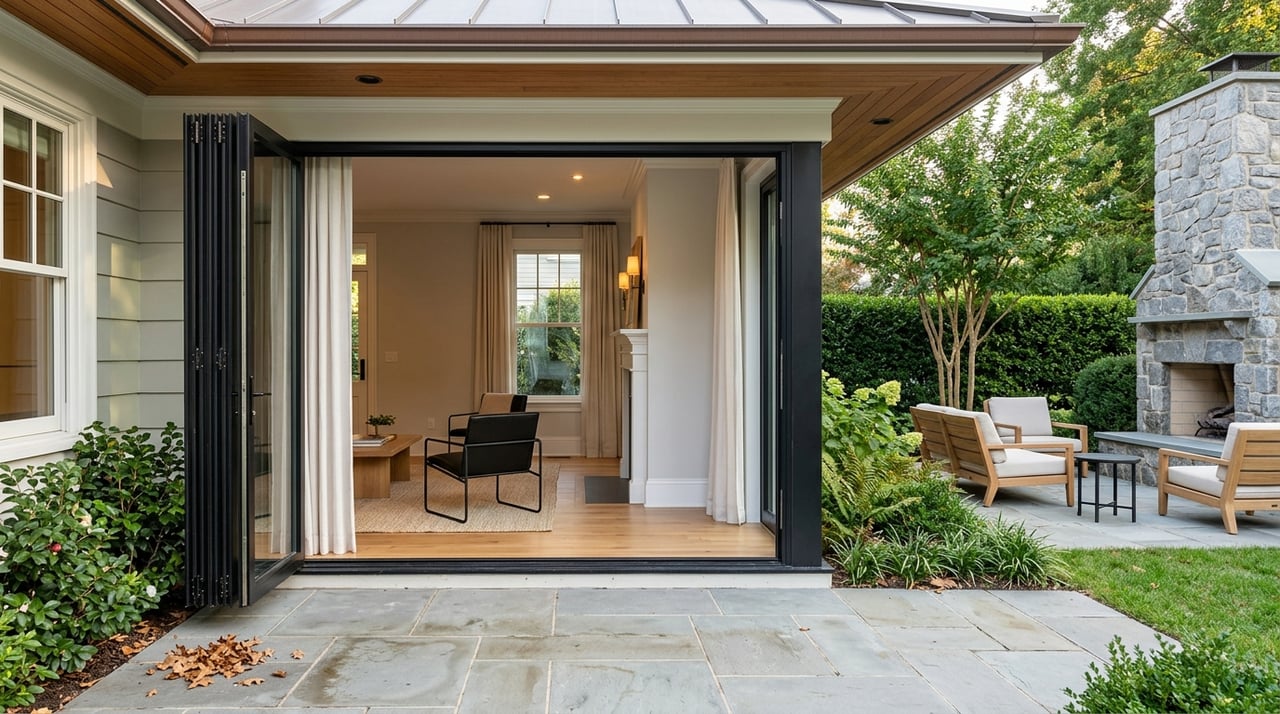
A condo is often a strong fit if you want a lock-and-leave lifestyle downtown. If your goal is to spend more time enjoying Main Street, downtown events, and trail access and less time thinking about exterior upkeep, a condo may line up well with that priority.
Because condo ownership includes shared common elements, monthly fees are a normal part of the cost structure. Those fees are generally separate from your mortgage payment, and they may help cover items like common-area maintenance and master insurance for shared areas.
For many buyers, that tradeoff feels worth it. You may have less exterior maintenance to manage, and you may gain building-level convenience that makes everyday living simpler.
When a Townhome Makes Sense
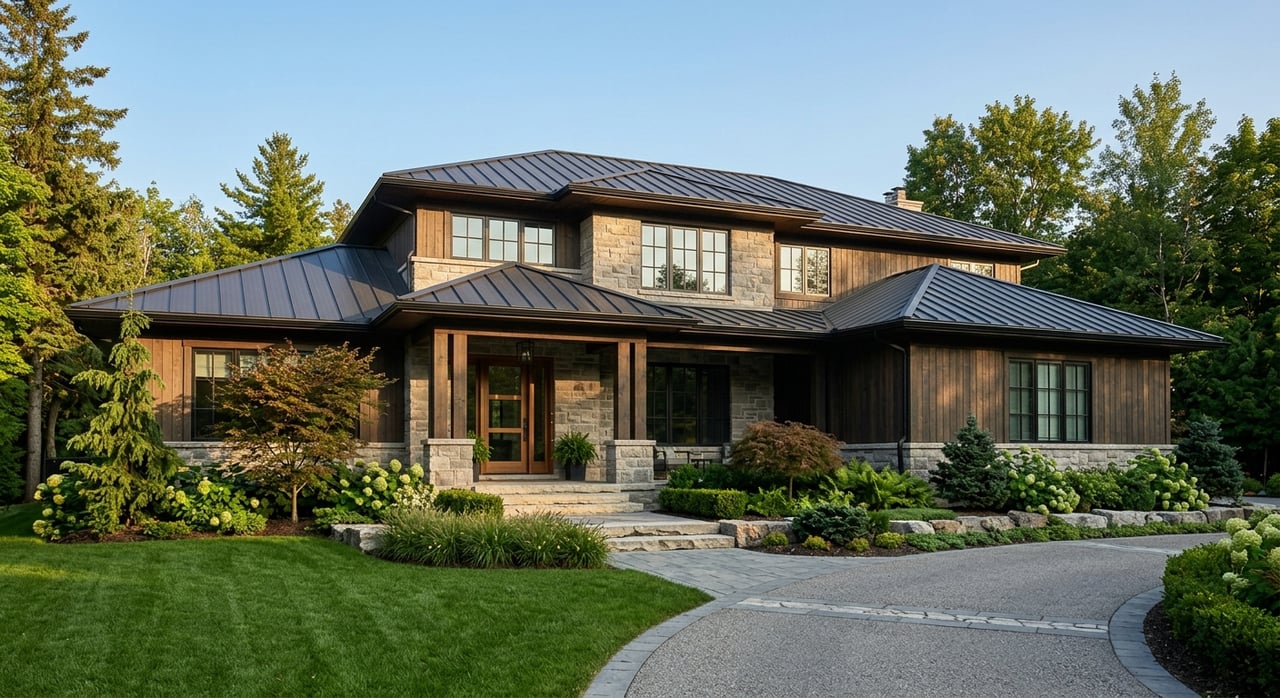
A townhome is often appealing if you want a more house-like feel while staying close to the heart of downtown. Since townhomes are attached single-family structures, they often offer a little more physical separation and a more residential feel than a stacked condo building.
That said, a townhome does not automatically mean full control or fewer rules. In South Carolina, association documents commonly address dues, special assessments, meetings, elections, collections, and limits on how owners can improve or use the property.
Those rules may cover landscaping, building standards, guests, garbage, parking, and pets. So if you are drawn to a townhome because you expect more flexibility, make sure the governing documents actually support that expectation.
Compare the Lifestyle Tradeoffs
Your best choice usually comes down to how you want to live day to day. A condo may give you more convenience and less exterior responsibility, while a townhome may give you a more private or house-like setup.
Neither is automatically better. The right fit depends on whether you value simplified upkeep, more separation, easier lock-and-leave living, or a stronger sense of independent space.
| Priority | Condo May Fit Better | Townhome May Fit Better |
|---|---|---|
| Exterior maintenance | Often lower owner responsibility | Varies by community documents |
| Building style | Multi-unit building | Attached single-family structure |
| Feel | Urban, shared-building lifestyle | More house-like, residential feel |
| Monthly costs | Dues are common and should be budgeted carefully | Dues may still apply and can vary widely |
| Owner control | Depends heavily on condo documents | Depends heavily on HOA documents |
Look Beyond the Monthly Payment
One of the biggest mistakes buyers make is comparing only mortgage payments. HOA or condo dues are usually paid separately from the mortgage, so your true monthly housing cost may be higher than it first appears.
The Consumer Financial Protection Bureau notes that dues can range from a few hundred dollars a month to more than $1,000. That does not mean a specific Downtown Greenville property will fall into any one range, but it does show why you should budget using the full monthly picture.
If the property is condo-style, insurance deserves close attention too. Association fees may include master insurance for common areas, but you still need insurance for the interior of your unit and your personal property.
Read the Documents Carefully
In South Carolina, buyers should not assume every association works the same way. The South Carolina Department of Consumer Affairs says the state does not have one comprehensive law detailing how every HOA must operate, so the recorded governing documents are your main source for understanding the property.
Those documents may include the declaration, master deed, bylaws, and covenants, conditions, and restrictions. They can spell out fees, reserve balances, maintenance duties, use restrictions, insurance details, and how the association handles collections or rule enforcement.
This is one of the most important parts of your decision. A condo or townhome that seems perfect on a tour can feel very different once you understand the actual rules and responsibilities.
Questions to Ask Before You Buy
A smart condo or townhome decision in Downtown Greenville usually comes down to asking better questions early. The South Carolina Department of Consumer Affairs recommends reviewing the governing documents carefully and looking closely at the financial and operational details.
Before you move forward, ask for:
- The declaration, master deed, bylaws, and any covenants or restrictions
- Current monthly dues and whether any other fees apply
- Reserve balance information
- The history or risk of special assessments
- How often dues can increase
- The insurance declaration page
- Clear maintenance responsibility details
- Recent meeting minutes
- Written confirmation that the property is not currently in violation
- Rules related to pets, parking, garbage, landscaping, and exterior changes
These questions help you compare properties on more than looks alone. They also reduce the chance of surprises after closing.
Pay Attention to Management Quality
Association management can shape your ownership experience just as much as the floor plan. The South Carolina Department of Consumer Affairs’ 2026 HOA complaint report lists enforcement of covenants and bylaws, maintenance and repairs, and ignored requests for information or documents among the top complaint categories.
The report also shows that most HOA complaints involve some type of association management company. That makes it especially important to understand not just the rules, but also how responsive and organized the community’s management appears to be.
Understand Seller Disclosure Limits
If you are buying a condo or townhome in South Carolina, it is also important to know what a seller disclosure does and does not cover. State law requires a residential property condition disclosure statement for many one-to-four-unit transfers, but the disclosure is limited to the actual dwelling.
It does not address common elements or areas outside the owner’s direct responsibility. In other words, a seller disclosure may tell you about the unit itself, but it will not replace a careful review of the association documents and shared-property responsibilities.
A Simple Way to Decide
If you want the easiest path to lock-and-leave living in Downtown Greenville, a condo may be the stronger match. If you want a more house-like setup and possibly a bit more separation while staying close to downtown, a townhome may feel like the better fit.
But the final answer is rarely just condo versus townhome. In Downtown Greenville, the smarter question is which property gives you the right balance of maintenance, fees, parking, insurance structure, and day-to-day lifestyle.
A well-chosen home should support how you actually live, not just look good in a listing. If you want help comparing downtown options and reading the details that matter, Ashley Swann can help you navigate the decision with clear local insight and thoughtful guidance.
FAQs
What is the difference between a condo and a townhome in Downtown Greenville?
- A condo is usually an ownership structure where you own your unit and share common elements, while a townhome is usually a building type, often with a more house-like layout.
Are condo fees included in the mortgage payment for Downtown Greenville homes?
- Usually not. HOA or condo dues are generally separate from your mortgage payment, so you should compare the full monthly housing cost.
Do Downtown Greenville townhomes always have fewer rules than condos?
- No. Townhomes can still be governed by detailed association documents that regulate fees, maintenance, parking, pets, exterior changes, and other property use.
What documents should you review before buying a condo or townhome in South Carolina?
- You should review the declaration, master deed, bylaws, covenants or restrictions, insurance information, recent meeting minutes, fee details, reserve balances, and maintenance responsibilities.
Does a South Carolina seller disclosure cover condo common areas?
- No. The state disclosure is limited to the dwelling itself and does not cover common elements or areas outside the owner’s direct responsibility.