Are you picturing mornings on a paved trail, coffee nearby, and quick weekend escapes to the mountains? If that sounds like your kind of everyday, Travelers Rest might be a great fit. You want a clear view of the lifestyle, housing options, and the tradeoffs before you buy. In this guide, you’ll learn what makes Travelers Rest special, where the practical pros and cons show up, and how to test the lifestyle for yourself. Let’s dive in.
Trail-centered living
The Swamp Rabbit Trail anchors daily life in Travelers Rest. It begins and ends in town, connecting you by bike or on foot to downtown Greenville and the stops in between. If you want to walk a dog, run after work, or meet friends for a café lunch without getting in the car, living near the trail makes that routine easy.
Think in minutes, not miles. Homes within a 5 to 15 minute walk of the trailhead offer a different lifestyle than those that require a short drive. You’ll see more people out and about, and you’ll likely use the trail several times a week for exercise or errands.
Downtown convenience
Travelers Rest has a compact, independent-leaning Main Street scene near the trailhead. You’ll find casual cafés, sit-down restaurants, breweries, and small shops packed into a walkable few blocks. This cluster drives foot traffic and a friendly, small-town vibe.
There are tradeoffs. Weekend events and markets add energy but can also increase noise and parking demand. If you are considering a home adjacent to downtown, visit on a weekday morning and a weekend evening to see how the rhythm changes.
Outdoor access beyond the trail
If you love getting outside, you’re in the right spot. River corridors, foothill trails, mountain biking, waterfall hikes, and scenic drives are a short trip away. Warm summers suit river days, and fall foliage season is a standout in the Upstate.
Plan for your gear. If you own kayaks, mountain bikes, or trailers, make sure the driveway, garage, or street-front parking can handle storage and turnarounds. In denser downtown blocks, confirm guest parking options too.
Events and community life
Farmers markets, festivals, trail runs, and parades add to the town’s identity. Pop-up music and small venues keep the calendar lively. If you value a connected, local feel, these gatherings are a big plus. If you prefer quiet weekends, consider a location a few blocks off Main Street or on the town’s fringe.
Housing options at a glance
You’ll find a mix of older character homes and newer development. The right fit depends on your lifestyle priorities and willingness to trade convenience for space.
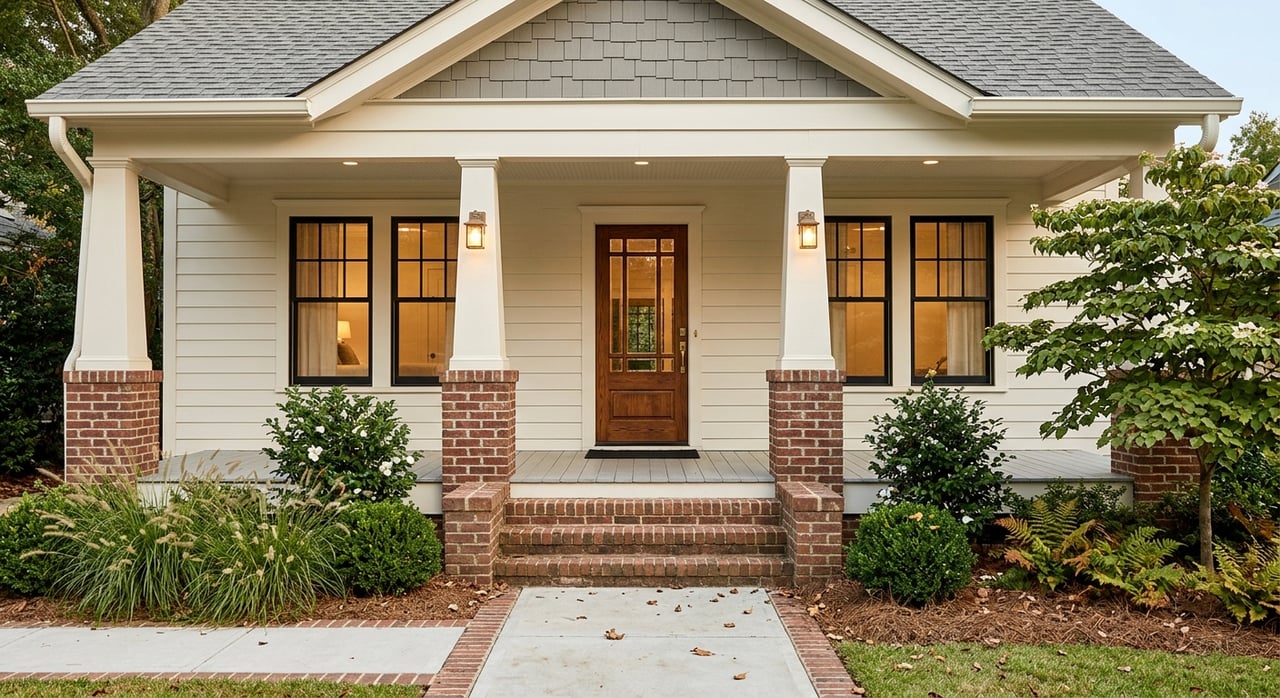
- Historic or older downtown cottages. Walkable, smaller lots, and often renovated. Expect charm and proximity, with less indoor and yard space.
- Infill townhomes and small condo conversions. Close to Main Street and the trail, lower maintenance, and usually HOA fees to consider.
- Suburban subdivisions. Single-family homes with more interior space, garages, and yards on the town perimeter. A short drive gets you to downtown and the trail.
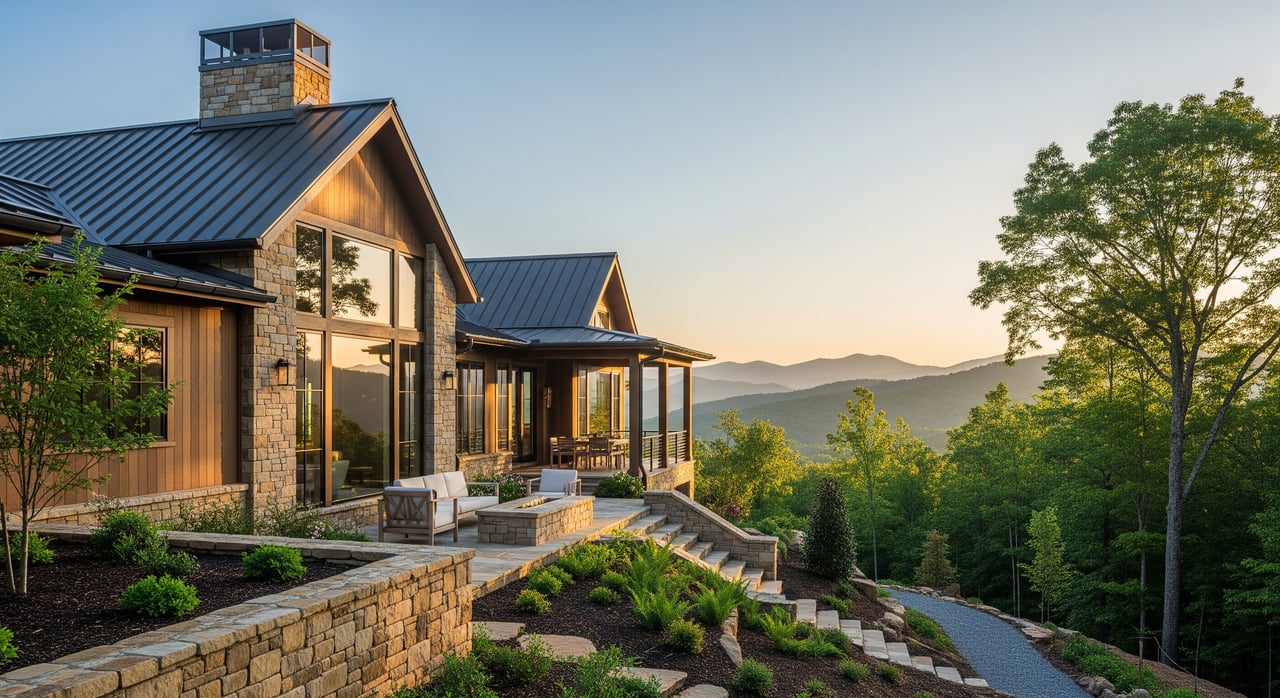
- Rural parcels and mountain-view lots. Larger acreage, privacy, and scenic settings on the fringe or nearby hills. Errands and commutes take longer.
- New developments. Ongoing residential and apartment projects are responding to demand and may influence future traffic and services.
Price and tradeoffs to expect
- Downtown and trail-adjacent homes deliver walkability and character. The tradeoff is smaller space and possible weekend noise.
- Newer subdivisions often provide more square footage and newer systems. The tradeoff is driving to downtown or the trail.
- Rural and mountain-view properties offer privacy and views. The tradeoff is longer commutes, more upkeep, and systems like wells and septic.
Important buyer checks
Before you make an offer, confirm details that affect cost, convenience, and long-term maintenance.
- HOA and covenants. Review fees, restrictions, and approval processes for exterior changes and parking.
- Utilities, wells, and septic. Outside the town core, some properties rely on private systems. Order inspections and request documentation.
- Flood risk and insurance. Lots near creeks or river corridors may require flood insurance. Check FEMA maps and local elevation or stormwater information.
- Renovation scope. Older homes can be “cute but small” and may need HVAC, foundation, structural, or roof work. Obtain contractor estimates early.
Commute and transit realities
Many residents commute south to Greenville for work, shopping, and services. Driving is the primary mode. Use live traffic tools to test rush-hour travel times from a specific address to your workplace, both morning and evening.
Public transit is limited compared to larger metros. If transit access matters to you, research options early. Also consider bike routes to the trail if you prefer a hybrid commute.
Growth and future land use
Travelers Rest is growing along with the Greenville metro. New projects can alter traffic patterns and neighborhood feel. If you are sensitive to change, consult the town’s planning resources to see where higher-density housing or new commercial uses are allowed.
Walk potential blocks during different times of day and talk with neighbors about how events, weekend visitors, or construction have affected parking and noise in recent years.
Services, utilities, and taxes
Confirm whether a property is served by municipal water and sewer or private systems. Property taxes and special district fees vary by parcel, so review the county assessor’s records for the exact tax history.
If you work from home, verify broadband speed and provider options, especially outside the town core where coverage can vary.
Environmental and site specifics
Hillside and wooded lots are part of the area’s charm. They can also bring unique maintenance needs.
- Floodplain and drainage. Check whether the parcel sits within a FEMA flood zone and review local drainage patterns.
- Slope and erosion. Steeper sites may need engineered solutions for driveways, retaining walls, or runoff.
- Tree cover and storms. Mature trees add beauty and shade. Factor in pruning, leaf management, and storm risk.
Lifestyle tradeoffs to weigh
There is no one right way to live in Travelers Rest. Match your location to how you want to spend time each week.
- Walkability vs. privacy. Downtown living offers short errands and a social scene. Fringe or rural parcels give you space and quiet but more driving.
- Character vs. turnkey. Historic homes bring unique details and walkable addresses. New construction lowers maintenance but may feel more standardized.
- Visitor traffic. Proximity to the trail and Main Street attracts day-trippers. Some buyers love the energy, while others prefer a buffer. If rental flexibility matters, review local ordinances and HOA rules.
How to test the lifestyle
Give yourself a mini field study to see how the town fits your routine.
- Morning. Walk or bike the Swamp Rabbit Trail and note crowd levels, access points, and crossings.
- Midday. Grab lunch downtown and time how long errands take on foot.
- Evening and weekend. Return when events are happening to gauge noise and parking near potential blocks.
- Drive test. Run your exact commute during peak and off-peak times.
- Property mix. Tour a downtown cottage, a newer subdivision home, and a rural parcel to compare space, parking, and upkeep.
Buyer checklist
Use this quick list as you evaluate specific homes.
- Trail proximity in minutes by foot or bike.
- Parking and guest options on busy weekends.
- Commute time ranges to your workplace.
- HOA rules, fees, and exterior-change approvals.
- Water, sewer, well, and septic details with inspection plans.
- Flood zone status and insurance needs.
- Broadband availability for remote work.
- Renovation scope, permits, and contractor estimates.
- Zoning and nearby development plans.
Is Travelers Rest a fit for you?
If your ideal week includes a few trail miles, a quick coffee run, and easy access to foothill adventures, Travelers Rest delivers. The town’s mix of walkable blocks, independent dining, and varied housing makes it easy to tailor your lifestyle. The right decision comes from matching your everyday priorities to the location that supports them.
When you are ready to explore neighborhoods, compare property types, and sort through practical checks, reach out to Ashley Swann. You will get local guidance, clear next steps, and a smooth path to the right home.
FAQs
How close can I live to the Swamp Rabbit Trail in Travelers Rest?
- Focus on time, not miles. Homes within a 5 to 15 minute walk or bike ride create a true trail-centered routine, while homes that require a short drive change how often you use it.
What should I expect for a Travelers Rest to Greenville commute?
- Most residents drive. Test real-time routes during rush hour and off-peak from a specific address to your workplace to get accurate ranges.
How does weekend activity affect downtown-adjacent homes in Travelers Rest?
- Events and visitors increase foot traffic, noise, and parking demand. Visit potential blocks on both a weekday morning and a weekend evening to gauge fit.
What housing types are common in Travelers Rest?
- You will see renovated downtown cottages, infill townhomes, newer suburban subdivisions, rural parcels with views, and ongoing new construction, each with distinct tradeoffs.
What due diligence should I do on utilities and systems in Travelers Rest?
- Confirm municipal versus private water and sewer, order well and septic inspections when applicable, verify broadband options, and review HOA rules and fees.
How can I check flood risk for a Travelers Rest property?
- Review FEMA flood maps and local stormwater information, especially for parcels near creeks or river corridors, and discuss insurance needs with your provider.